Overcoming Language Barriers in Korean Shopping
- Allthatsales

- Sep 30, 2025
- 4 min read
Shopping in Korea can be an exciting experience filled with unique products and vibrant markets. However, for many visitors and expatriates, language barriers can make the process challenging. Understanding how to navigate these obstacles is essential to enjoy shopping fully and avoid misunderstandings. This article explores practical ways to overcome language barriers in Korean shopping environments.
Understanding the Challenges of Overcoming Language Barriers in Korean Shopping
Language barriers in Korean shopping arise mainly because many shopkeepers and customers may not speak English fluently. This can lead to difficulties in asking questions, understanding product details, negotiating prices, or even completing transactions. For example, a tourist trying to buy traditional Korean cosmetics might struggle to understand the ingredients or usage instructions if they are only written in Korean.
Additionally, cultural differences in communication styles can add to the confusion. Koreans often use indirect language or polite expressions that may not translate well. This can make it hard for non-Korean speakers to grasp the full meaning or intent behind certain phrases.
To overcome these challenges, it is important to prepare in advance and use available tools and strategies that facilitate communication. Being patient and respectful also helps create a positive shopping experience.

Practical Tips for Overcoming Language Barriers in Korean Shopping
Here are some actionable recommendations to help you shop confidently despite language differences:
Use Translation Apps
Smartphone apps like Google Translate can instantly translate text and speech. You can scan product labels or menus and get real-time translations. Some apps even allow you to download Korean language packs for offline use, which is helpful in areas with poor internet connectivity.
Learn Basic Korean Phrases
Memorizing simple phrases such as "How much is this?" (이거 얼마에요?), "Can I try it?" (써봐도 돼요?), or "Thank you" (감사합니다) can go a long way. Locals appreciate the effort and may respond more warmly.
Bring a Phrasebook or Visual Guide
Carrying a small phrasebook or a printed list of common shopping terms can be useful. Visual guides with pictures of products or sizes can help you point to what you want without needing to speak.
Shop at Tourist-Friendly Stores
Many stores in popular tourist areas have English-speaking staff or English signage. These places are more accustomed to foreign customers and can provide a smoother shopping experience.
Use Online Shopping Platforms
When in doubt, consider using online Korean shopping sites that offer international shipping and English interfaces. This option reduces the need for direct communication and allows you to shop at your own pace.
Ask for Help from Locals or Hotel Staff
If you are staying at a hotel, the staff can often assist with translations or recommend shops that cater to foreigners. Alternatively, friendly locals or fellow travelers might help you communicate.
By combining these strategies, you can reduce misunderstandings and enjoy shopping in Korea more confidently.

How to Solve Language Barriers in a Classroom?
While this article focuses on shopping, the principles of overcoming language barriers apply in educational settings as well. In classrooms, language barriers can hinder learning and participation. Here are some ways to address these challenges:
Use Visual Aids and Multimedia
Incorporate pictures, videos, and diagrams to explain concepts without relying solely on language.
Encourage Peer Support
Pair students who speak the same language or have stronger language skills to help each other.
Simplify Language
Teachers should use clear, simple sentences and avoid idioms or slang that may confuse learners.
Provide Language Resources
Offer bilingual dictionaries, translation tools, or language learning apps to support students.
Create a Supportive Environment
Foster patience and understanding among students and teachers to reduce anxiety related to language difficulties.
These approaches help create an inclusive learning environment where language differences do not become barriers to education.

Leveraging Technology for Language Barrier Solutions in Korean Shopping
Technology plays a crucial role in bridging language gaps. Beyond translation apps, there are other innovative tools designed to assist shoppers:
Augmented Reality (AR) Translators
Some apps use AR to overlay translated text on product packaging when viewed through a smartphone camera.
Voice Recognition Devices
Portable devices can translate spoken Korean into English and vice versa, facilitating real-time conversations.
Online Marketplaces with Multilingual Support
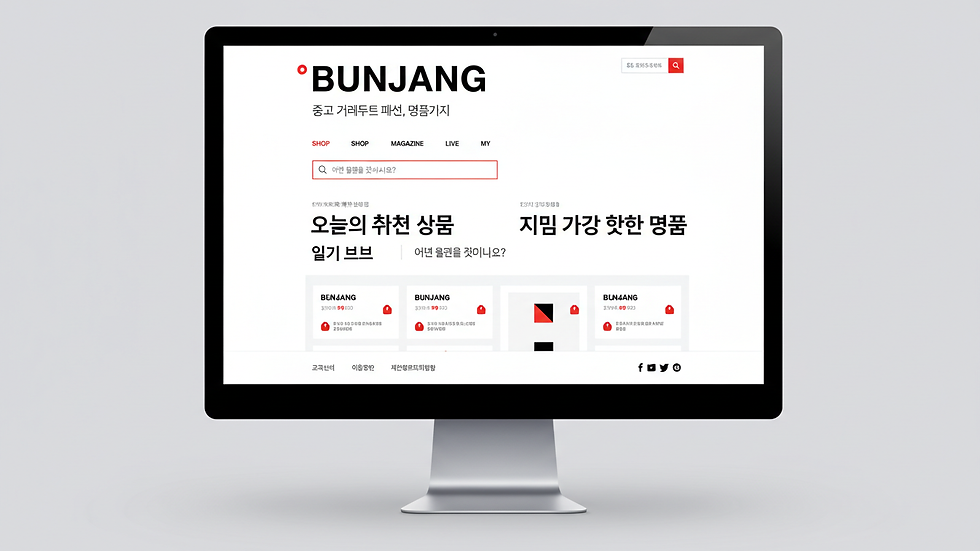
Platforms like Bunjang Global Order offer language barrier solutions by providing English interfaces and customer support for international buyers.
Chatbots and Virtual Assistants
Some stores have chatbots that answer common questions in multiple languages, helping customers find products or understand policies.
Using these technologies can significantly reduce frustration and make shopping more accessible for non-Korean speakers.
Tips for Communicating Effectively with Korean Shopkeepers
Effective communication goes beyond language proficiency. Here are some tips to improve interactions:
Use Simple Words and Speak Slowly
Avoid complex sentences and speak clearly to help the listener understand.
Use Non-Verbal Cues
Gestures, pointing, and facial expressions can convey meaning when words fail.
Be Patient and Polite
Showing respect and patience encourages positive responses.
Confirm Understanding
Repeat or paraphrase important information to ensure both parties are on the same page.
Carry Cash in Small Bills
This can simplify transactions and avoid confusion over change.
By applying these communication techniques, you can build rapport and reduce misunderstandings during shopping.

Embracing the Experience Beyond Language
Overcoming language barriers in Korean shopping is not just about communication; it is also about embracing the culture and experience. Trying local foods, exploring traditional markets, and interacting with locals enrich your visit. Even if language skills are limited, showing curiosity and respect can open doors.
Remember that mistakes and misunderstandings are part of the learning process. Each interaction is an opportunity to improve your language skills and cultural understanding. With the right mindset and tools, shopping in Korea can become a rewarding adventure rather than a source of stress.
By preparing ahead, using technology, and practicing patience, you can successfully navigate language barriers and enjoy all that Korean shopping has to offer.